Thorough roof inspections in real estate are key for buyers and professionals. Look for damage, wear, and sunlight patterns to identify potential leaks, structural issues, and material degradation caused by weather and UV exposure. Regular checks ensure property value, safety, and guide informed maintenance decisions for various roofing materials.
When assessing a property in real estate, evaluating the roof condition is crucial. Before making an investment, inspect the roof for signs of damage or wear and tear. Pay close attention to sunlight patterns and intensity, as these factors can accelerate material degradation. Understanding how weather impacts various roofing materials is essential for making informed decisions about maintenance, replacement, or repairs. By considering these aspects, you’ll gain valuable insights into the property’s long-term value and stability.
Inspect Roof for Damage, Wear and Tear
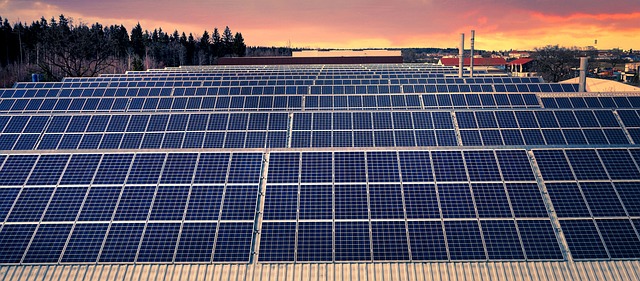
When evaluating the condition of a roof in real estate, one of the critical steps is to meticulously inspect it for any signs of damage, wear, and tear. Start by walking along the perimeter of the house, looking for loose or missing shingles, which could indicate structural weakness or exposure to harsh weather conditions. Check for visible cracks or damage to the flashing around chimneys, vents, and other fixtures—these areas are often vulnerable to leaks.
Next, examine the roof’s surface for blisters, rot, or discolored spots. These can be early indicators of moisture infiltration or wood decay caused by prolonged sun exposure. Pay attention to valleys and gutters, as these parts accumulate debris and can lead to water pooling, exacerbating wear and tear over time. A thorough inspection will help identify issues that might need immediate attention, ensuring the property’s value and safety for potential buyers in the real estate market.
Assess Sunlight Patterns and Intensity

Evaluating sunlight patterns and intensity is a crucial aspect of assessing a roof’s condition in real estate. When appraising a property, pay close attention to how sunlight hits the roof throughout the day and seasons. Observe if certain areas receive consistent direct sunlight or if there are shaded sections due to surrounding structures or trees. In many cases, higher sun exposure can accelerate wear and tear on roofing materials, making it easier for leaks to develop and weakening the overall structure over time.
Understanding sunlight patterns allows potential buyers and real estate professionals to make informed decisions regarding roof maintenance or replacement needs. For instance, areas with intense, prolonged sunlight may require more robust roofing solutions that can withstand higher UV radiation levels. By factoring in these elements, individuals can ensure that their investment in a property is protected and that any necessary repairs or upgrades are addressed promptly to prevent further damage.
Understand Weather's Impact on Material
The impact of weather and sun exposure on roofs in real estate is profound. Over time, extreme temperatures, heavy rainfall, snow, and direct sunlight can degrade various roofing materials. Asphalt shingles, for instance, are susceptible to UV rays, leading to premature aging and cracking. Metal roofs, while durable, may experience corrosion from prolonged moisture exposure. Clay or ceramic tiles are also affected by the sun’s intensity, as it can cause them to fade or become brittle.
Understanding these weather-related challenges is essential for real estate professionals and homeowners alike. Regular roof inspections can help identify issues early on, allowing for prompt repairs or replacements. By anticipating and addressing material deterioration, property owners can ensure their roofs remain functional, enhancing the overall value and longevity of the property in the real estate market.